
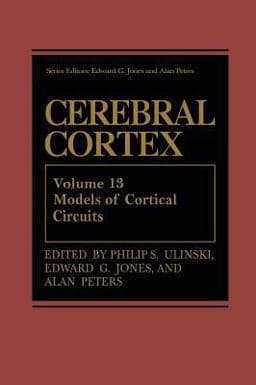
Cerebral Cortex
Format: Hardcover
ISBN13: 9780306457272
Hardcover|9780306457272
✨ Featured Offer
Brand New
$221.48
List Price: $219.99
🚚
See all 1 offers from $221.48 FREE standard delivery by: 04 Apr 2026
Overview
Thisisthefirstvolumeinthe CerelJral Cortexseriesdevotedtomathematicalmodels ofthecortex. Itwasmotivatedbytherealizationthatcomputationalmodelsof individualneuronsandensemblesofneuronsareincreasinglyusedinresearchon corticalorganizationandfunction. Thisis,inpart,becauseofthenowubiquitous presenceofpowerfulandaffordablecomputers. Suitablemachineswereformerly rareinresearchlaboratoriesandrequiredsubstantialprogrammingexpertisetobe usedinconstructingandusingneuronalmodels. However,computersarenow routinelyusedinallareasofneurobiologyandanumberofsoftwarepackagesallow scientistswithminimalcomputerscienceandmathematicalbackgroundstocon structseriousneuronalmodels. Asecondfactorleadingtotheproliferationof modelingstudiesisthedevelopmentoftechnologiesthatallowthekindsofdata collectionneededtodeveloprealisticmodelsofcorticalneurons. Characterization ofthekineticsofvoltage-andligand-gatedchannelsandreceptorshadbeenlim itedtorelativelylargeneurons. However,therapiddevelopmentofsliceprepara tions,patch-clampmethods,andimagingmethodsbasedonvoltage-sensitivedyes andintracellularcalciumindicatorshasresultedinasignificantdatabaseonthe biophysicalfeaturesofcorticalneurons. Thescopeofmodelingapproachestocorticalneuronsandfunctionsiswide anditseemednecessarytolimitthepurviewofthevolume. Thefocusisonattempts tounderstandthepropertiesofindividualcorticalneuronsandneuronalcircuitry throughmodelsthatincorporatesignificantfeaturesofcellularmorphologyand physiology. Noattemptwasmadetoincludemodelingapproachestounderstanding corticaldevelopmentandplasticity. Thus,workdealingwiththedevelopmentof oculardominancecolumnsandtheorientationselectivityofneuronsinvisualcortex isnotconsidered. Similarly,modelsdealingwiththecellularmechanismsunderlying long-termplasticityandwithapproachestolearningandmemorybasedonmodifica tionofHebbiansynapsesarenotconsidered. Relativelyabstractattemptstounder standhigherlevelandcognitiveprocessesbasedonneuralnetsrepresentasecond, majorareaofworkthatisnottreated. Modelsofcognitiveprocessesbasedon dynamicalsystemsmethodsinwhichnoattemptismadetoincludethebiophysical featuresofindividualneuronsarealsonotconsidered. vii viii Thetenmajorchaptersfallintothreegroups. Thefirstgroupdealswith compartmentalmodelsofindividualcorticalneurons. LyleBorg-Grahamprovides PREFACE anintroductiontothemethodsinvolvedinconstructingcompartmentalmodels andthenreviewstheexistingmodelsofhippocampalpyramidalcells. Becauseof theeffectivenessofhippocampalslicepreparations,theseneuronshavewell-ehar acterizedbiophysicalproperties. Thischapterillustrateshowcompartmentalmod elscanbeusedtosynthesizeexperimentaldataandprovideanintegrativeviewof thepropertiesofindividualneurons. PaulRhodescontinuesthethemebyfocusing ontheroleofvoltage-gatedchannelslocatedonthedendritesofcorticalneurons. Thisisanareainwhichtechnologicaladvancesinthevisualizationofneuronsin slicepreparationsbasedoninfraredmicroscopyhavegreatlyexpandedtheinfor mationavailableondendriticfunctioninjustafewyears. Thechapterbothreviews theexperimentaldataonactivedendriticconductancesandemphasizestheirpo tentialfunctionalroles. Thesecondgroupofchaptersdealwiththegenerationofreceptivefield propertiesofneuronswithinvisualcortex. Theyaddressissuesstemmingfromthe originalattempttounderstandhowthereceptivefieldpropertiesofneuronsincat andmonkeyprimaryvisualcortexaregeneratedbyinteractionsbetweengenicu lateafferentsandcorticalneurons. ThechapterbyFlorentinWorgotterevaluates modelsthathavebeenusedtoanalyzethegenerationofreceptivefieldproperties. RodneyDouglasandhiscolleaguesaddressaspecificsetofissuesdealingwiththe roleofintracorticalexcitationmediatedbypyramidalcellcollaterals. Animportant featureofthischapterisitsrelationtoattempttoconstructfabricatedcircuitsthat duplicatethefunctionsofcorticalcircuits. ThechapterbyPhilipUlinskifocuseson thegenerationofmotion-selectivepropertiesincorticalneurons. Itseekstoidenti tycellularmechanismsusedbyneuronsthatrespondpreferentiallytovisualstimuli movingwithparticularspeedsordirections. MatteoCarandiniandhiscolleagues discussthefeatureofcorticalneurons,knownasgaincontrol,thatallowsneurons torespondeffectivelytovisualstimulibypoolinginformationacrosspopulationsof corticalneurons. ThechapterbyHughWilsondealswiththereceptivefieldproper tiesofextrastriateareasandintroducesnewworkanalyzingface-selectiveneurons. Thefinalsetofchaptersconsidermodelsofensemblesofthalamicandcortical neurons. ThechapterbyWilliamLyttonandElizabethThomasusesthetheoryof dynamicalsystemstoanalyzethetemporalrelationshipsbetweenthalamicand corticalneurons. Animportantfeatureoftheinteractionbetweenthalamusand cortexisthepresenceofoscillationsthatdependinpartuponthevoltage-gated conductancespresentonindividualneuronsandinpartonthestructureofthe overallnetwork. PaulBushcontinuesthisemphasisonoscillationsbydiscussinga modelthatdealswiththegenerationofsynchronizedoscillationsinvisualcortex. Oscillationsofthiskindhaveattractedsubstantialattentioninrecentyearsbecause oftheirpotentialroleincognitiveprocesses. Thelastchapter,byMichaelHasselmo andChristianeLinster,reviewstheirworkonmodelingpiriformcortex,emphasiz ingtheroleofcholinergicmechanismsinmodulatingtheactivityofcorticalneu rons. Anattempthasbeenmadethroughouttomakethevolumeaccessibleto readerswithminimalmathematicalbackgrounds. Thevolumethusbeginswitha shorthistoryofmodelsofcorticalneuronsandcircuitrythatintroducestheprinci palmodelingstyles. ThechaptersbyWorgotterandUlinskicontainmoreextensive ix introductionstosomeofthemodelingmethodsthathavebeenusedtostudyvisual cortex,andthemathematicallychallengedreaderwillfindthatthechapterby PREFACE LyttonandThomascontainsareadableintroductiontotheuseofdynamical systemstheoryinneurobiology. PhilipS. Ulinski EdwardG. Jones Chicago and Davis Contents Chapter 1 ModelingCorticalCircuitry:AHistoryandProspectus PhilipS. Ulinski 1. Introduction ". . . . . . . . . . . . . . . . . . . . . . . . . . . . . . . . . . . . . . . . . . . . . 1 2. LorentedeNothroughDynamicalSystemsModels. . . . . . . . . . . . . . . . . 2 2. 1. LorentedeNo. . . . . . . . . . . . . . . . . . . . . . . . . . . . . . . . . . . . . . . . . . . . 2 2. 2. CellAssembliesandNeuralNets. . . . . . . . . . . . . . . . . . . . . . . . . . . . 3 2. 3. DynamicSystemsModels. . . . . . . . . . . . . . . . . . . . . . . . . . . . . . . . . . . 8 3. HodgkinandHuxleythroughNetworkModels. . . . . . . . . . . . . . . . . . . . . 11 3. 1. HodgkinandHuxley. . . . . . . . . . . . . . . . . . . . . . . . . . . . . . . . . . . . . . 11 3. 2. WilfridRall. . . . . . . . . . . . . . . . . . . . . . . . . . . . . . . . . . . . . . . . . . . . . . . 11 3. 3. SoftwarePackages. . . . . . . . . . . . . . . . . . . . . . . . . . . . . . . . . . . . . . . . . 13 3. 4. RealisticModelsofCorticalNetworks. . . . . . . . . . . . . . . . . . . . . . . . 14 4. Prospectus. . . . . . . . . . . . . . . . . . . . . . . . . . . . . . . . . . . . . . . . . . . . . . . . . . . . . 14 5. References. . . . . . . . . . . . . . . . . . . . . . . . . . . . . . . . . . . . . . . . . . . . . . . . . . . . . 15 Chapter 2 InterpretationsofDataandMechanismsforHippocampalPyramidal CellModels LyleJ Borg-Graham 1. Introduction. . . . . . . . . . . . . . . . . . . . . . . . . . . . . . . . . . . . . . . . . . . . . . . . . . . 19 1. 1. NeuronModelEvolution-followingElectrophysiology. . . . . . . . . 19 1. 2. NeuronModelEvaluation-followingtheParameters. . . . . . . . . . 21 1. 3. WhyHippocampus? 21 1. 4. OrganizationofThisChapter. . . . . . . . . . . . . . . . . . . . . . . . . . . . . . . 22 xi xii 2. TheDatabaseforSingle-NeuronModels. . . . . . . . . . . . . . . . . . . . . . . . . . . 23 2. 1. VoltageClampversusCurrentClamp. . . . . . . . . . . . . . . . . . . . . . . . 23 CONTENTS 2. 2. Single-ChannelversusMacroscopicCurrents. . . . . . . . . . . . . . . . . . 24 2. 3. TypeofPreparation. . . . . . . . . . . . . . . . . . . . . . . . . . . . . . . . . . . . . . . 24 2. 4. KineticandPharmacologicalDissection. . . . . . . . . . . . . . . . . . . . . . 25 2. 5. TemperatureDependence. . . . . . . . . . . . . . . . . . . . . . . . . . . . . . . . . . 26 2. 6. AgeDependence. . . . . . . . . . . . . . . . . . . . . . . . . . . . . . . . . . . . . . . . . . 27 2. 7. HippocampalSubfieldDependence. . . . . . . . . . . . . . . . . . . . . . . . . 27 2. 8. DifferencesinFiringPropertiesbetweenSharpversusPatch Recordings. . . . . . . . . . . . . . . . . . . . . . . . . . . . . . . . . . . . . . . . . . . . . . . 28 2. 9. TheMeasuredVoltage. . . . . . . . . . . . . . . . . . . . . . . . . . . . . . . . . . . . .
| ISBN-13 | 9780306457272 |
|---|---|
| ISBN-10 | 030645727X |
| Weight | 3.75 Pounds |
| Dimensions | 7.00 x 1.31 x 10.00 In |
| List Price | $219.99 |
| Edition | 1st Edition |
| Format | Hardcover |
|---|---|
| Language | English |
| Pages | xxi, 573 pages |
| Publisher | Springer |
| Published On | 1999-02-28 |
View All Offers
Sort by:
Price
Condition
Seller
Seller Comments
Price
✨ Brand New
Seller details
Alibris
Sparks, NV, USA
Sewn binding. Cloth over boards. 573 p. Cerebral Cortex, 13.
Free delivery by: 04 Apr 2026